Malta: The Skulls of the Mother Goddess
Adriano Forgione's investigation into the mysterious elongated skulls found in Malta's megalithic temples, exploring their connection to ancient priest castes and the Mother Goddess cult.
Introduction
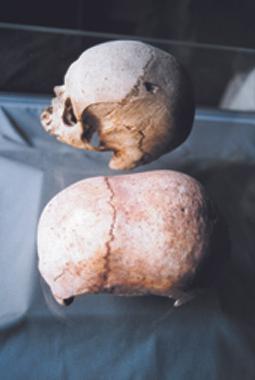
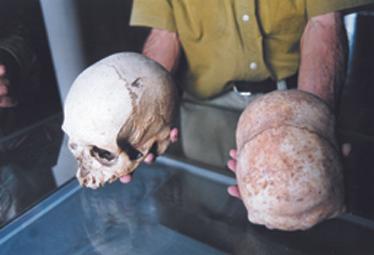
In the megalithic temple of Hal Saflieni, in Malta, men with extraordinary cranial volume were buried. These skulls seem to belong to a strange human stock and if properly analyzed, could create an ideal link between the ancient Mesopotamian and Egyptian cultures and a race of sacerdotal men identified with the snake.
We are back from a visit in Malta. We followed the traces of an ancient story that originated from the presence of megalithic temples dedicated to the Mother Goddess on the island, a thaumaturgic figure, adored in pre-historical times of this island that was to become an important cult center. We was founding the possibility to try to resolve a mystery of interesting implications. It was known that until 1985 a number of skulls, found in pre-historic Maltese temples at Taxien, Ggantja and Hal Saflieni, were exposed in the Archeological Museum of the Valletta. But since a few years ago, these were removed and placed in the deposits. From then, they were not to be seen by the public. Only the photographs taken by the Maltese researcher Dr. Anton Mifsud and his colleague, Dr. Charles Savona Ventura, remained to testify the existence of the skulls and prove their abnormality. Books written by the two Maltese doctors, who since our first day in Malta helpfully provided us the necessary documentation for our research, illustrate a collection of skulls that show peculiar abnormalities and/or pathologies. Sometimes inexistent cranial knitting lines, abnormally developed temporal partitions, drilled and swollen occiputs as following recovered traumas, but above all, a strange, lengthened skull, bigger and more peculiar than the others, lacking of the median knitting. The presence of this finding leads to a number of possible hypotheses. The similitude with other similar skulls, from Egypt to South America, the particular deformity, unique in the panorama of medical pathology referred to such distant times, (we are talking about approximately 3000 years before Christ) could be an exceptional discovery. Was that skull a result ancient genetic mutation between different races that lived on that island?
The Maltese Temple Complex
Prehistoric Sophistication
The Temples
Malta's megalithic structures:
- Predate Stonehenge
- Predate Egyptian pyramids
- Built 3600-2500 BCE
- Sophisticated architecture
- Mother Goddess culture
Major Sites:
- Ħaġar Qim
- Mnajdra
- Tarxien
- Ġgantija (Gozo)
- Hypogeum of Ħal-Saflieni
Architectural Marvel
Engineering Achievement
Temple features:
- Massive stone blocks
- Precision fitting
- Astronomical alignments
- Acoustic properties
- Complex layouts
Construction Mystery:
- No metal tools (officially)
- Limited technology
- Transported huge stones
- Precise carving
- Advanced knowledge
The Mother Goddess Culture
Matriarchal Society
Religious Focus
Evidence suggests:
- Goddess worship central
- Female figurines abundant
- Fertility emphasis
- Life-death-rebirth cycle
- Sacred feminine
The Fat Lady Statues:
- Large female figures
- Abundance symbolism
- Mother Earth connection
- Fertility representation
- Cultural significance
Temple Purpose
Sacred Spaces
Functions appear to be:
- Religious ceremonies
- Initiation rites
- Oracle consultations
- Healing temples
- Astronomical observations
The Elongated Skulls
Mysterious Remains
Physical Evidence
Skulls discovered show:
- Intentional deformation
- Dolichocephalic (elongated)
- Found in Hypogeum
- Various ages
- Cultural practice
Characteristics:
- Artificially shaped
- Binding from infancy
- Cultural modification
- Elite status marker?
- Religious significance?
Global Phenomenon
Not Unique to Malta
Similar skulls found:
- Egypt (Akhenaten family)
- Peru (Paracas)
- Mesoamerica
- Near East
- Various cultures
Questions Raised:
- Independent practice?
- Cultural diffusion?
- Common origin?
- Elite class marker?
- Religious meaning?
The Hypogeum
Underground Mystery
Ħal-Saflieni Hypogeum
Remarkable features:
- Three-level structure
- Carved from solid rock
- 7,000+ individuals buried
- Red ochre paintings
- Acoustic resonance chamber
Unique Characteristics:
- Underground temple
- Burial complex
- Oracle chamber
- Sound engineering
- Spiritual significance
The Oracle Room
Acoustic Marvel
The chamber:
- Resonates at 110 Hz
- Male voice frequency
- Amplifies sound
- Trance-inducing?
- Designed acoustics
Effects Reported:
- Altered consciousness
- Visions and insights
- Physical sensations
- Spiritual experiences
- Modern testing confirms
Cultural Connections
Mediterranean Links
Trade and Influence
Malta's position:
- Central Mediterranean
- Trade crossroads
- Cultural exchange
- Multiple influences
- Strategic location
Connections to:
- Sicily
- North Africa
- Near East
- Anatolia
- Aegean cultures
Egyptian Parallels
Similarities
Common elements:
- Goddess worship
- Astronomical knowledge
- Megalithic construction
- Skull modification
- Religious sophistication
Differences:
- Older than Egypt's pyramids
- Different materials
- Matriarchal emphasis
- Local development
- Unique culture
The Skull Deformation Practice
Why Elongate Skulls?
Theories:
Status Symbol:
- Elite class marker
- Royal lineage
- Priestly caste
- Social distinction
- Power display
Religious Significance:
- Godlike appearance
- Spiritual enhancement
- Divine connection
- Consciousness alteration
- Sacred practice
Aesthetic Ideal:
- Cultural beauty standard
- Desirable appearance
- Fashion trend
- Tradition maintenance
- Identity marker
Deformation Process
Method
The practice involved:
- Binding infant skulls
- Gradual shaping
- Months/years duration
- Permanent modification
- No brain damage (usually)
Results:
- Dramatic elongation
- Distinctive appearance
- Cultural identity
- Lifelong marker
- Group membership
The Mother Goddess Mystery
Who Was She?
Deity Identification
Possible identities:
- Earth Mother
- Fertility goddess
- Life-giver
- Death-rebirth cycle
- Nature personified
Attributes:
- Creative force
- Nurturer
- Destroyer-renewer
- Cyclic nature
- Feminine divine
Ritual Practices
Temple Ceremonies
Evidence suggests:
- Seasonal celebrations
- Life cycle rites
- Healing rituals
- Oracle consultations
- Initiation ceremonies
Hypogeum Use:
- Burial rites
- Rebirth symbolism
- Incubation sleep
- Dream visions
- Afterlife preparation
Astronomical Alignments
Celestial Knowledge
Temple Orientations
Sites aligned to:
- Solstices
- Equinoxes
- Stellar risings
- Lunar cycles
- Seasonal markers
Implications:
- Sophisticated astronomy
- Agricultural calendar
- Religious timing
- Time-keeping
- Celestial worship
The Solar Connection
Light and Shadow
Specific dates:
- Winter solstice illumination
- Summer solstice events
- Equinox phenomena
- Intentional design
- Sacred geometry
Cultural Decline
Mysterious End
Sudden Abandonment
Around 2500 BCE:
- Temples abandoned
- Culture disappeared
- Population declined
- Unknown cause
- Historical mystery
Theories:
Environmental:
- Climate change
- Resource depletion
- Ecological collapse
- Food shortage
- Population pressure
Invasion:
- Foreign conquest
- Cultural displacement
- War and destruction
- New peoples
- Bronze Age arrival
Disease:
- Epidemic
- Population crash
- Social disruption
- Recovery failure
- Societal collapse
Modern Research
Archaeological Studies
Ongoing Investigation:
Current work includes:
- Excavations
- Skeletal analysis
- DNA testing
- Dating refinement
- Cultural interpretation
New Technologies:
- 3D scanning
- Ground-penetrating radar
- Isotope analysis
- Advanced dating
- Computer reconstruction
Skull Analysis
Scientific Examination
Modern studies reveal:
- Deformation methods
- Age at binding start
- Health effects
- Genetic information
- Population dynamics
Forgione's Contribution
Investigative Approach
Multidisciplinary Study
Forgione combines:
- Archaeological evidence
- Anthropological data
- Mythological connections
- Comparative analysis
- Alternative perspectives
Key Insights:
- Global patterns recognized
- Cultural connections
- Religious significance
- Elite practices
- Mystery appreciation
The Broader Context
Ancient Mysteries
Malta as Example
Demonstrates:
- Sophisticated prehistory
- Advanced ancient cultures
- Lost knowledge
- Religious complexity
- Human ingenuity
Questions Raised:
- How advanced were they?
- What did they know?
- Why skull deformation?
- Connection to other cultures?
- What was lost?
Implications for Pyramid Studies
Parallel Mysteries
Common Themes:
Malta and Egypt share:
- Megalithic construction
- Astronomical knowledge
- Religious sophistication
- Elite practices
- Cultural mysteries
Lessons:
- Ancient capabilities impressive
- Multiple advanced cultures
- Knowledge networks possible
- Mystery preserved
- Respect warranted
Tourism and Preservation
UNESCO World Heritage
Protected Sites
Malta's temples:
- Global significance
- Protected status
- Tourism attraction
- Conservation challenges
- Access management
Visitor Impact:
- Wear and damage
- Environmental stress
- Preservation balance
- Educational value
- Sustainable tourism
Conclusion
Adriano Forgione's research into Malta's ancient temples and enigmatic skulls reveals a sophisticated prehistoric culture that worshiped the Mother Goddess and practiced skull deformation as a marker of elite status or religious significance.
Key Revelations:
Ancient Sophistication:
- Pre-pyramid construction
- Architectural achievement
- Astronomical knowledge
- Religious complexity
- Cultural advancement
The Skulls:
- Intentional deformation
- Cultural practice
- Elite marker
- Global phenomenon
- Mystery and meaning
Mother Goddess:
- Matriarchal religion
- Fertility emphasis
- Life-death cycle
- Sacred feminine
- Spiritual center
Ongoing Mystery:
- Many questions remain
- Research continues
- Technology assists
- Understanding grows
- Wonder persists
Malta's temples and skulls remind us that advanced ancient civilizations existed long before the pyramids, that goddess worship was once central to Mediterranean culture, and that practices like skull deformation—strange to us—held deep meaning for our ancestors.
Further Reading
Adriano Forgione's Work:
- Fenix magazine articles
- Archaeological investigations
- Cultural studies
- Alternative research
- Comparative analysis
Malta Studies:
- Trump, D.H. "Malta: Prehistory and Temples"
- Pace, A. "The Neolithic Temples of Malta"
- Grima, R. "Landscape, Territories and the Life-Histories of Monuments"
Skull Deformation:
- Tiesler, V. "The Bioarchaeology of Artificial Cranial Modifications"
- Hoshower, L. et al. "Artificial Cranial Deformation" studies
Mother Goddess:
- Gimbutas, M. "The Language of the Goddess"
- Ancient matriarchal religions
- Mediterranean goddess cultures
The skulls of Malta's Mother Goddess culture stand as silent testimony to a sophisticated prehistoric civilization whose practices, beliefs, and ultimate fate remain among archaeology's most intriguing mysteries.