Introduction to Russian Pyramid Research
An overview of the pyramid research conducted in Russia and Ukraine over the past decade, including the construction of over 20 large fiberglass pyramids by Alexander Golod and the scientific studies performed within them.
Introduction to Russian Pyramid Research
Pyramid research has been carried out in the former Soviet Union for more than a decade. This research was done in more than 20 large pyramids that were built in 8 different locations in Russia and the Ukraine. The regions in which these pyramids were built include the outskirts of Moscow, Astrakhan, Sochi, Zoporozhye, Voronezh, Belgorod, Tver Region, Krasnodar, Tolyatti, Bashkiria (Uzbekistan), and Nice, France.
These pyramids are made of fiberglass and the largest is about 144 feet high (44 meters), weighs over 55 tons, and cost over 1 million dollars to build. Many different experiments were done using these pyramids that include studies in medicine, ecology, agriculture, physics, and other areas. What is significant about this work is that it has been carried out by top scientists in Russia and Ukraine and scientifically documents the changes that occur in these pyramids.
Alexander Golod - The Pyramid Builder
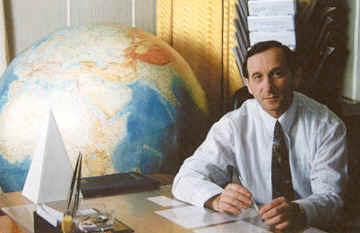 Alexander Golod, builder of the Russian pyramids
These pyramids were built by Alexander Golod. He is a Scientist and Director of a Defense Enterprise in Moscow. He has constructed these pyramids since 1990. He says that he built these pyramids because "he believes they will benefit mankind and make the world a better place."
Photos of the 44M (144 ft) Pyramid
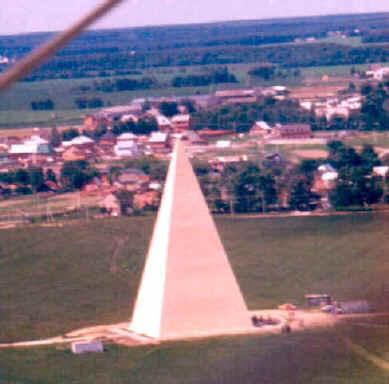
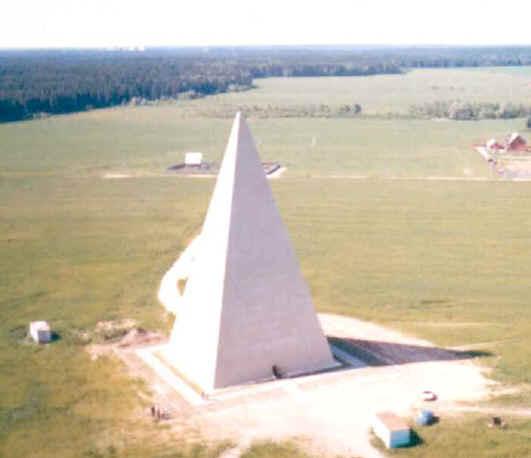
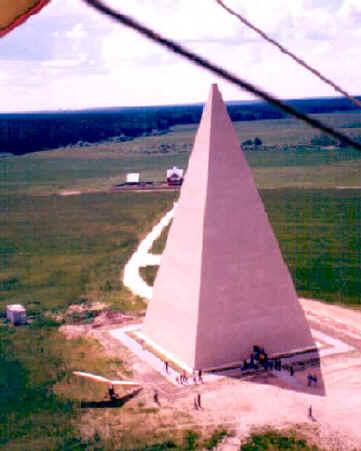
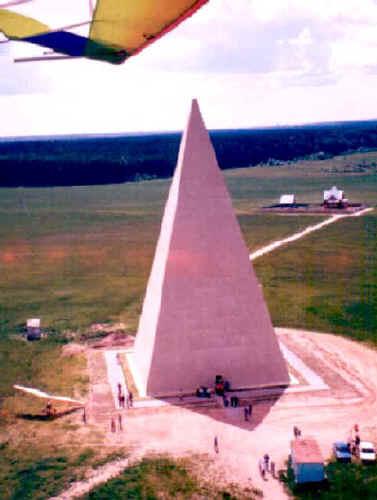
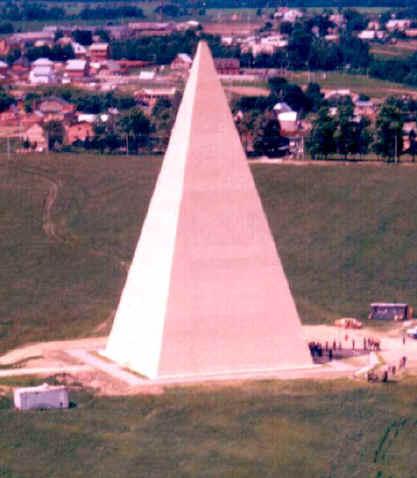
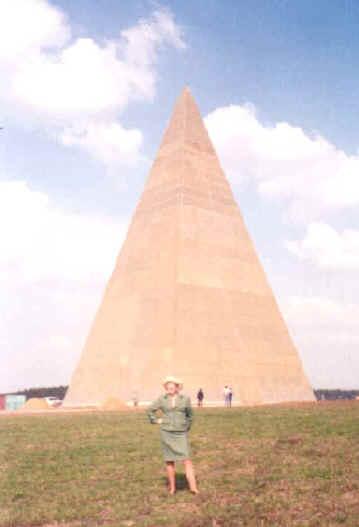 Famous Russian Actress Clara Luchko in front of the 44M pyramid
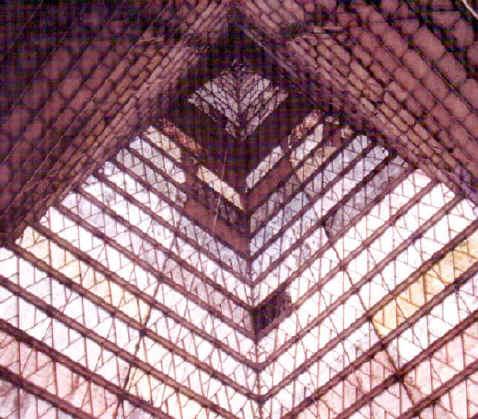 Inside the 44M Pyramid looking up
Pyramids in Space
He was the one responsible for convincing the Russian government in 1998 to take crystalline substances that had been placed in one of his big pyramids on board the MIR space station. These substances remained on the MIR space station for over a year. In October 2001, crystalline substances from the Pyramid were also placed on the International Space Station for 10 days. This was for the benefit of the space station and the entire world.
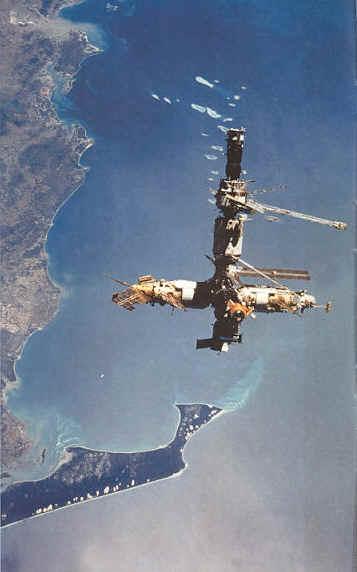 Russian MIR Space Station - crystalline substances from the pyramids were placed aboard
International Partnership
The International Partnership for Pyramid Research was formed to promote scientific research of the pyramids built in Russia by Alexander Golod. The partnership brings together researchers from the USA and Russia to collaborate on studies that have shown positive effects for both biological and non-biological materials.
This section is part of the International Partnership for Pyramid Research, a collaboration between the Great Pyramid of Giza Research Association (USA) and Hydrometpribor (Russia).